
Studying Abroad and Technology: From Virtual Classrooms to International Campuses
The rapid development of technology has changed education. Studying abroad is no longer limited to physical campuses: virtual and hybrid models have expanded the concept.
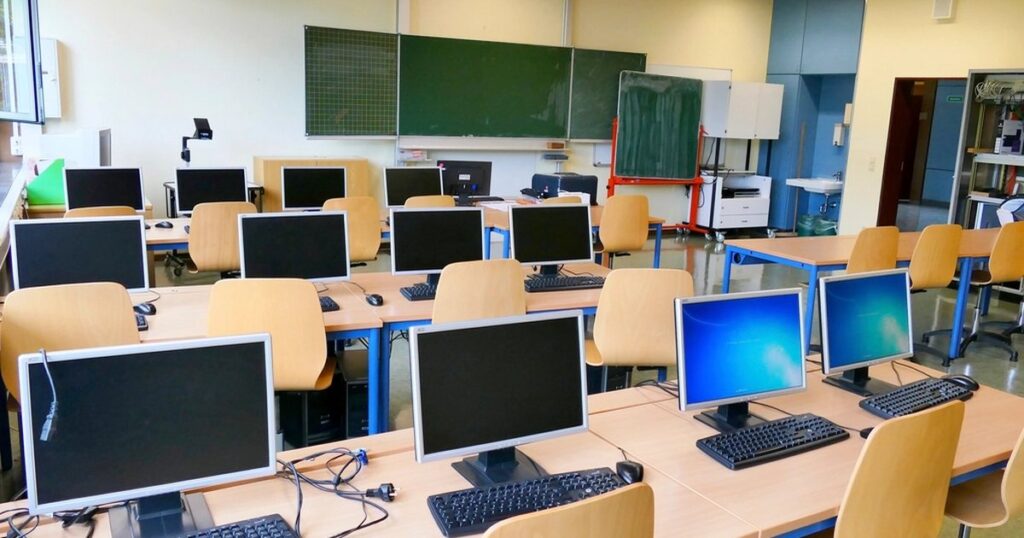
In recent years, the rapid development of technology has fundamentally changed education. Although studying abroad traditionally seems like a process that takes place on physical campuses, technology has expanded this concept. Students can now join universities anywhere in the world virtually, attend online classes and even benefit from both distance and on-campus education through hybrid models.
Virtual Classrooms: A Solution That Frees Education from Place
Virtual classrooms are one of the biggest revolutions technology has made in education. This model offers wide opportunities for students who want to study abroad but cannot physically move.
Benefits
- Accessibility: students can join universities anywhere in the world and receive quality education.
- Cost savings: reduced travel and living costs make studying abroad more accessible.
- Flexible schedule: students can plan classes according to their own time.
Hybrid Education: The Best of Virtual and Traditional Classes
The hybrid model combines the advantages of virtual and campus education. Students can take some classes online and attend others in person.
Possible Opportunities
- Short-term trips abroad: instead of staying abroad for a long time, students can go to campus for certain projects or programs.
- Laboratory and practical classes: after completing online classes, students can visit the university to gain practical knowledge.
International Campuses: The Impact of Technology on Physical Spaces
Technology is not limited to virtual education; international campuses also benefit from this revolution. Smart classrooms, digital libraries and AI-supported teaching methods make studying abroad more effective and interactive.
Benefits of Technology
- It makes intercultural connections easier.
- It speeds up students' academic and social integration.
- It improves the quality of education.
The Future of Technology and New Frontiers of Studying Abroad
The impact of technology on education keeps developing. New technologies such as artificial intelligence, big data and blockchain will create wider opportunities for studying abroad.
Next Directions
- Fully virtual universities: some universities are expected to operate only online in the future.
- Personalized learning with AI: study plans suited to each student's needs will be offered.
- Global communication: students will connect easily with peers from all over the world.
By expanding the borders of studying abroad, technology makes it more accessible, flexible and effective. Thanks to virtual classrooms, hybrid models and modern campuses, students can benefit from invaluable opportunities for both academic and personal growth. As technology develops further in the future, studying abroad will enter a new stage and create more interesting prospects for students.
More articles
TB test for a UK visa from Azerbaijan: where in Baku, how much and when
If you live in Azerbaijan and go to the UK for 6 months or more, you need a TB test certificate. The approved clinic in Baku, the fee, the steps and …
Studying in the USA: what the SEVIS I-901 fee is, how much it costs and how to pay
The SEVIS I-901 fee for an F-1 student visa is $350 and must be paid before the visa interview. Who pays, what you need and how to pay step by step.

Germany blocked account (Sperrkonto) 2026: amount and steps
In 2026 a German student visa needs at least €11,904 in a blocked account. Amounts, steps, alternatives and FAQ.
Contact
Have questions?
Enter your details — our advisor will contact you and answer all your questions.